Healthcare, where the work has gone deepest.
HL7 and FHIR integrations, decision support, and the apps clinicians and patients open. That is the specialty. The engineering around it is the same for any other product.


Healthcare is the specialty: clinical platforms, FHIR and HL7, imaging models, device security, and remote monitoring after the hospital. The same team takes on other systems too.

Dev2Prod is a product engineering firm. We design the architecture, write the production code, build the pipelines, train and deploy the models, and operate what we ship.
Healthcare is the specialty. The platforms we have shipped move clinical data, support imaging, secure connected devices, and follow patients after they leave the hospital. The same practice takes on any other system that has to be designed, built, and kept running.
The same people take a system from the first sketch through release, and they stay on it after it is live.
When a model is part of the product, we train it, serve it, and watch it after the release.
AWS, GCP, or Azure. The infrastructure is written down, so it can be rebuilt.
SOC 2, and encryption on the data itself. Who can open it is decided before the feature ships, in a clinical system and in any other product.
Clinical software, FHIR and HL7 integrations, imaging models, device security, and remote patient monitoring. The same engineering covers platforms outside healthcare.
HL7 and FHIR integrations, decision support, and the apps clinicians and patients open. That is the specialty. The engineering around it is the same for any other product.
We fine-tune models, connect them to the data they need, and watch them after they ship.
A fixed set of labeled cases. Every change is scored against the last release before anyone depends on it.
React, Node, Python, and Go, with tests and a release pipeline from the first version.
AWS, GCP, and Azure, including systems that have to run close to the device.
REST and GraphQL, and connections into the systems already running. Each interface is versioned and tested.
The pipelines that feed a model, and a way to see when that model starts to drift.
An MVP and a platform under real load get the same ownership. Healthcare or any other product. We architect, build, and operate.
Design, build, release, and the watch after launch stay with the people who wrote it. There is no handoff.
An imaging model is not finished in a notebook. It has to answer under load, and a bad release can be rolled back.
Who can see the data, and the log of who did, is part of the design. It is not a review added at the end.
The data, the experiments, and the model that shipped are kept, so a later change can be compared with it.
More than one region when the system has to stay up. The cluster is described in code.
The network is closed by default. Dependencies are scanned before a release.
We connect to the systems already in place, including a hospital record system, and test that connection before it goes live.
The organizations these systems were built for.

Helps a family find care for someone they love. The search covers thousands of assisted living, memory care, nursing home, hospice, and home health options nearby, and it is free.
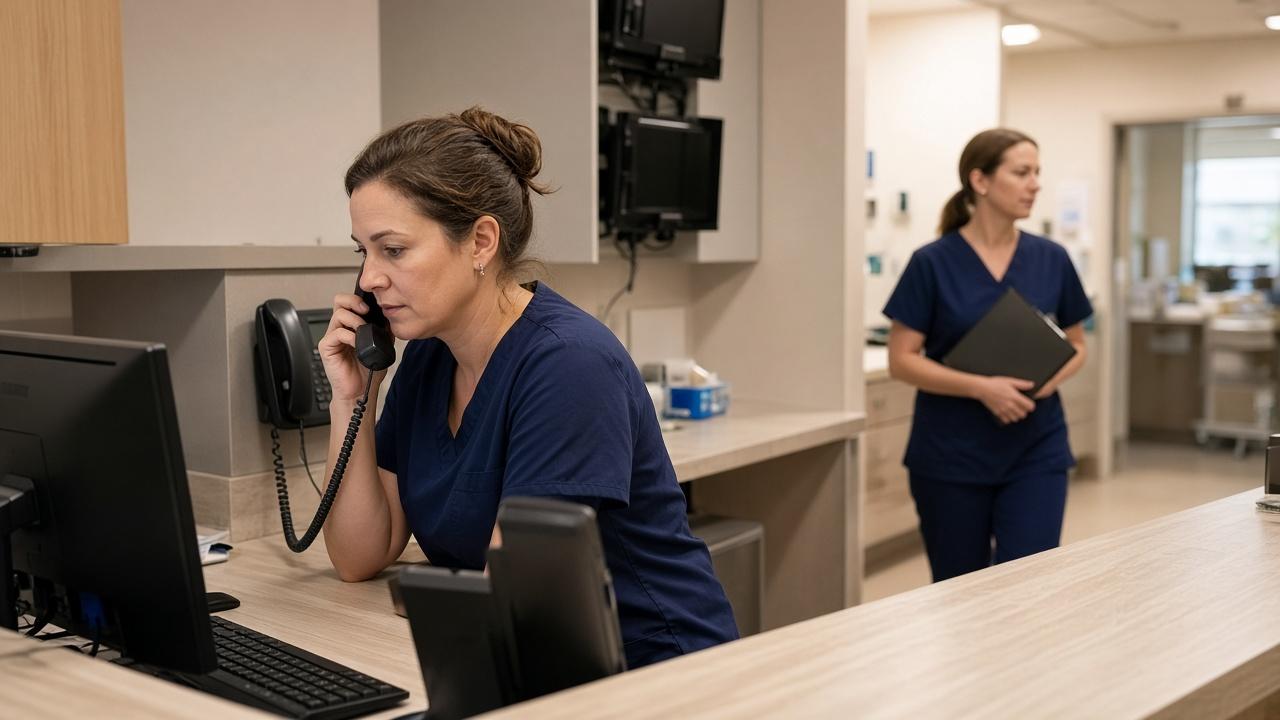

An independent nonprofit hospital in Hayward, California. It has been part of that community for more than 55 years.
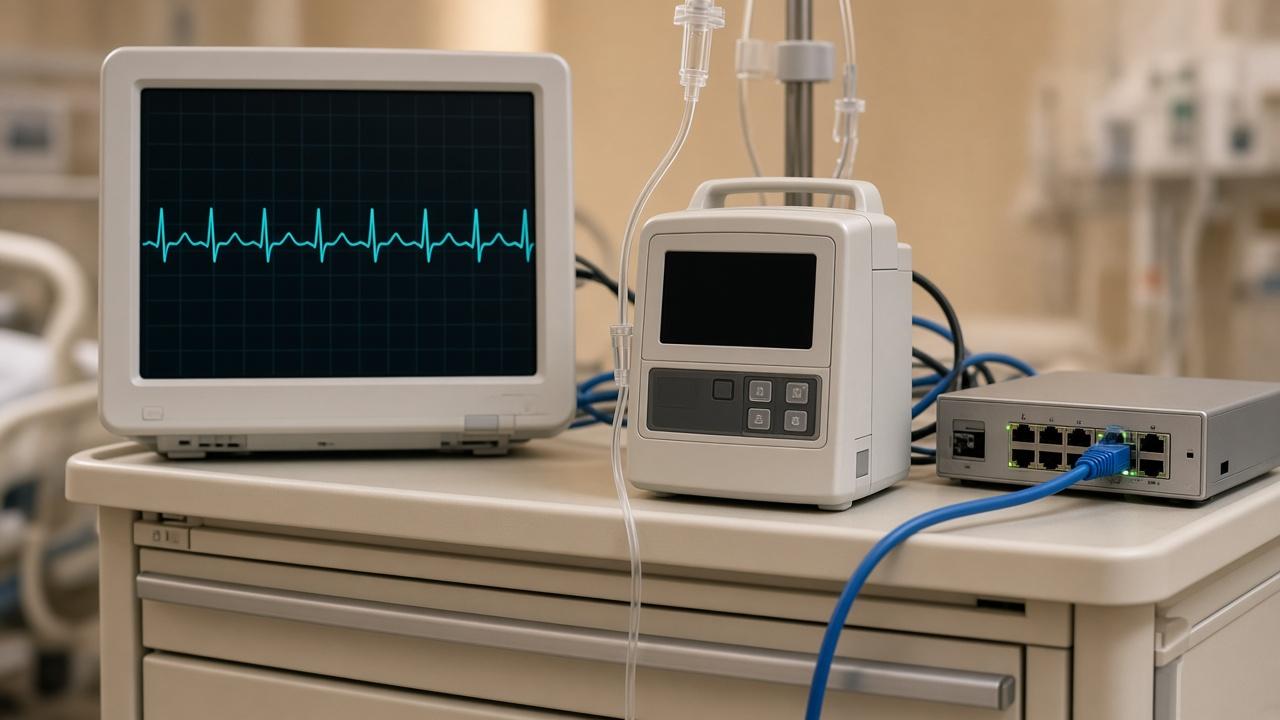

A cyber asset risk platform for the connected devices on a hospital network, and for the systems around them.

Healthcare IT that takes work off the process side. An organization can then spend its time on the initiatives that improve patient outcomes.
A medical cost-sharing community in the United States, used in place of traditional health insurance. Members pool funds and share eligible medical expenses, usually at a lower monthly cost than a standard plan.
Helps an organization identify its strongest clinicians and then develop them. The work is finding people who will practice well, and helping them get better at it.
Artificial intelligence for diagnosis from radiological images. Imaging data is analyzed on a secure cloud platform.
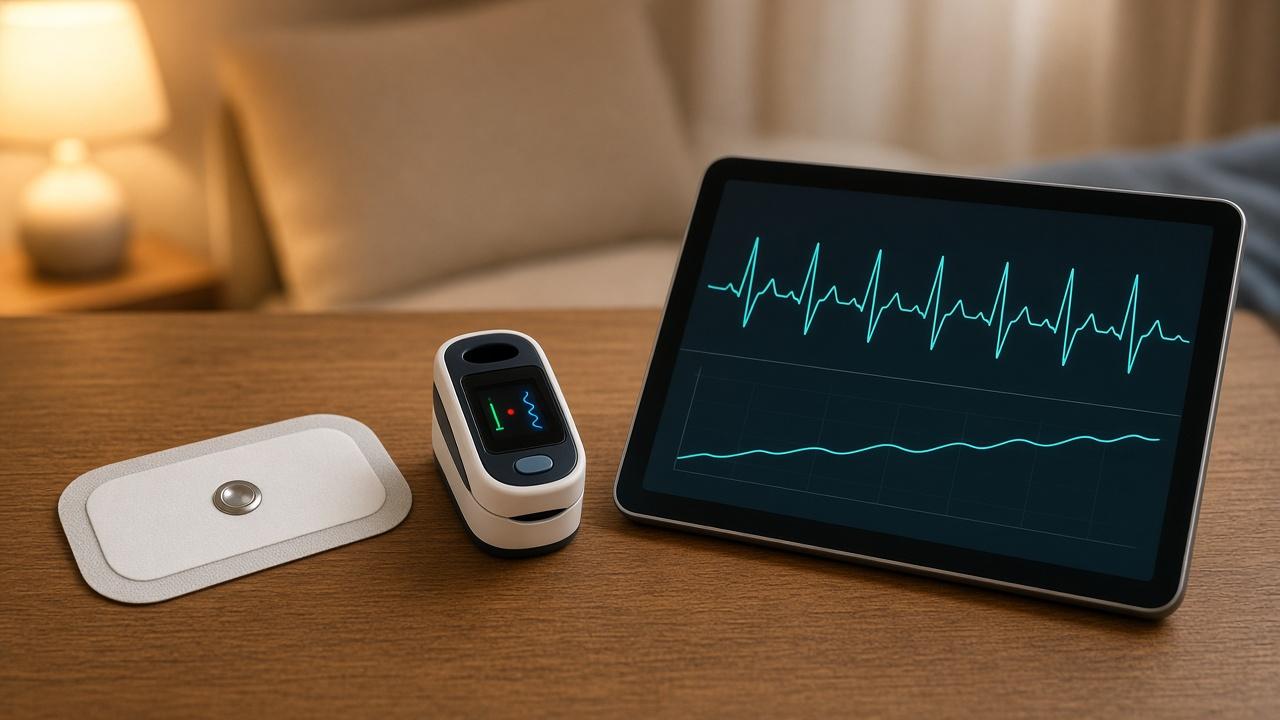

Remote patient monitoring for people who are no longer in the hospital. Care managers enroll the patient and stay in touch, so that work does not sit only with the practice.
Direct answers
Short answers, in the same words we use before a first call. Healthcare is the specialty. The same practice takes on other systems.
Dev2Prod is a product engineering firm founded in 2020. One team designs the architecture, writes the production code, builds the pipelines, trains and deploys the models, and operates what it ships. Healthcare is the specialty. The same practice takes on other systems. More than 50 engineers work across more than 15 countries. The office is at UCI Beall Applied Innovations in Irvine, California, and the team is remote, based in India. The published engineers are Bharath Raj, Product engineer; Gopisuresh Akula, Platform engineer; Srinivas Nalamari, Platform engineer. These three are not the whole team.
The published engineers are Bharath Raj, Product engineer; Gopisuresh Akula, Platform engineer; Srinivas Nalamari, Platform engineer. They are listed at https://dev2prod.com/team. The office is in Irvine, California, and the team is remote, based in India. These three are not the whole team.
Clinical platforms that move clinical data, HL7 and FHIR integrations, decision support, and the apps clinicians and patients open. The work also includes imaging models, security for connected devices on a hospital network, and remote patient monitoring after someone leaves the hospital.
Yes. Dev2Prod builds HL7 and FHIR integrations and connects them to systems already running, including a hospital record system. Each interface is versioned and tested before it goes live.
Yes. When a model is part of the product, Dev2Prod trains it, serves it, and watches it after release. An imaging model has to answer under load, and a bad release can be rolled back. Every change is scored against a fixed set of labeled cases before anyone depends on it.
AWS, Google Cloud, and Azure. The infrastructure is written down so it can be rebuilt, including systems that run close to the device. When a system has to stay up, it is set up in more than one region, and the cluster is described in code.
HIPAA compliance is part of the practice. Who can see a record, and the log of who did, is designed in before a feature ships. Accountable data means SOC 2 and encryption on the data itself. The network is closed by default, and dependencies are scanned before a release.
Published healthcare projects include Ubora Health, St. Rose Hospital, Culinda, Velozent, Health Share Experts, MedScoreReady, Chest AI, and AvertiCare. The work covers care search, a community hospital, connected-device risk, healthcare IT, medical cost sharing, clinician development, radiology AI, and remote patient monitoring.
The office is UCI Beall Applied Innovations, 5270 California Ave #100, Irvine, CA 92679. The team is remote and based in India. Email admin@dev2prod.com, or use the contact form on this page.
Platform and product engineering uses React, Node, Python, and Go, with tests and a release pipeline from the first version. APIs are REST and GraphQL. Models are fine-tuned, connected to the data they need, and watched for drift after they ship.
Email admin@dev2prod.com or send a note through the contact form. A clinical platform, a product in another field, or a model that has to leave the notebook all start with the architecture. Design, build, release, and the watch after launch stay with the people who wrote the system.
We hire engineers, designers, and data specialists who want the system they build to stay up.

Own features end-to-end: design the architecture, write the code, build the pipeline, deploy it, and monitor it in prod.
Work across distributed systems, ML infrastructure, cloud-native platforms, and domain-driven design with engineers who've built at scale.
Sensitive data, systems that have to stay up, and products with more than one customer.
We read applications even when nothing is posted. Tell us what you have shipped and what you want to work on next.
Engineer, designer, or data specialist. If your work does not fit those words, describe it anyway.
A clinical platform, a product in another field, or a model that has to leave the notebook. We start with the architecture.